
OutcomesKeep people safe
The close call that never happens.
A picker steps out from behind a rack. A forklift is coming round the corner. Neither can see the other. Redpoint can — and the truck slows before anyone has to react.
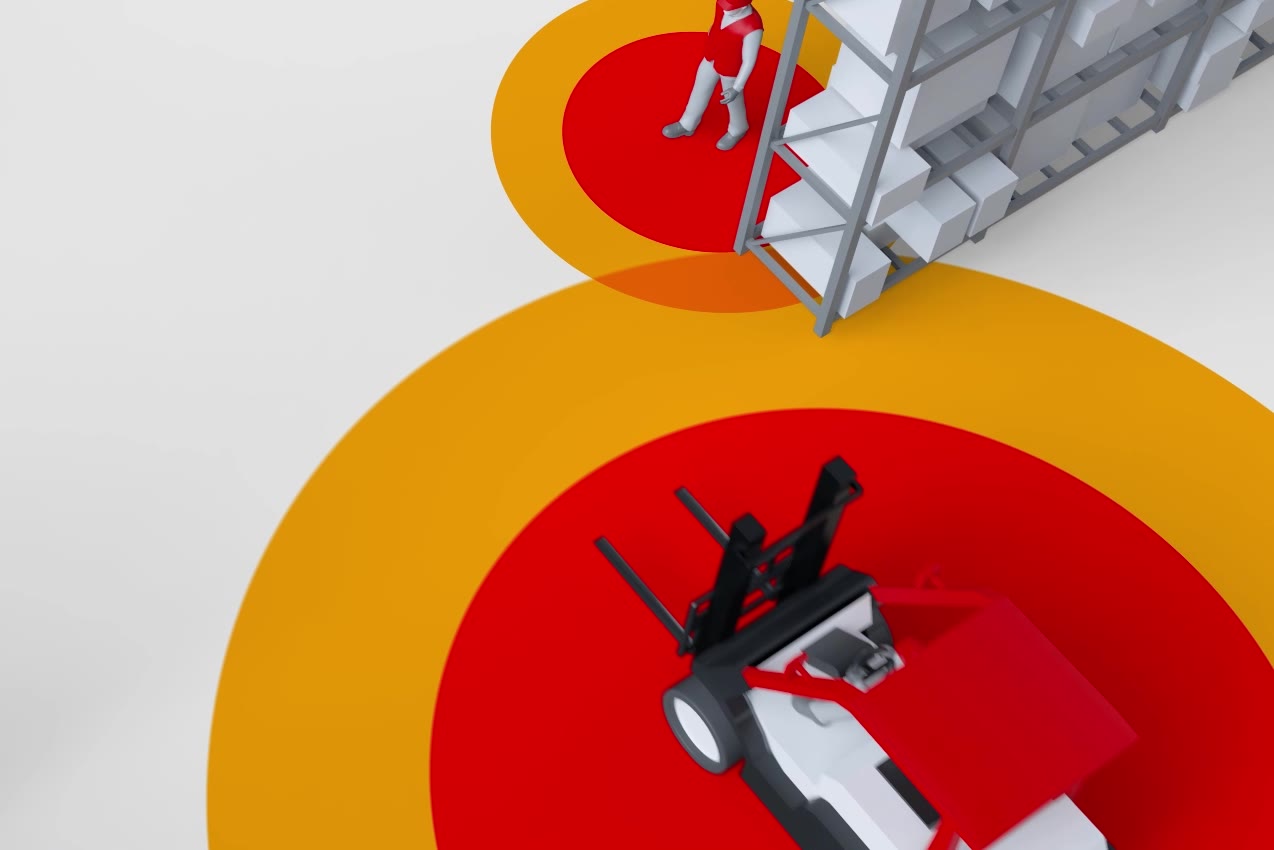
The moment
Five steps, in less time than it takes to blink.
Racking, blind corners, a long night shift. Nobody does anything wrong — they just can’t see each other. Two layers work together here: proximity sensing, where the badge and the truck sense each other directly and react in milliseconds, and RTLS, where anchors on the ceiling know where everyone is, so you can set zones and see what happened.
-
RTLS
A person steps into the aisle.
They’re wearing a Redpoint badge, so anchors on the ceiling place them on your floor plan — even behind a rack, where the driver can’t see them. Accuracy holds up among metal, high-bay racking and crowds of tags.
Up to 10 cm · position on the tag in <50 ms -
Proximity sensing
The forklift senses them.
The truck’s tag and the badge talk directly by ultra-wideband radio. People and racking don’t block the signal, so there’s no need for line of sight — which is exactly what a blind corner takes away. The moment the badge is inside the truck’s safety zone, both know.
-
Proximity sensing
Both get a warning.
The badge lights up, beeps and vibrates. The driver is alerted at the same moment.
-
Vehicle control
The forklift slows down by itself.
Because Redpoint is wired into the truck’s own controls through its CAN bus, it doesn’t wait for a tired operator to notice a light. From detection to the truck slowing or stopping takes less than the blink of an eye.
Closed-loop response <100 ms -
RTLS
The close call is recorded.
Once the path is clear the truck carries on. The moment is saved to the map, so a supervisor can play it back, see the hot spots and ask why that corner is busy — then adjust the zone so it doesn’t happen again.
What changes with Redpoint
Your floor gets a sense of where everyone is.
Vehicle-to-person, vehicle-to-vehicle, vehicle-to-infrastructure: the collisions that hurt people and stop work are the ones nobody saw coming. Redpoint gives the whole floor that visibility.
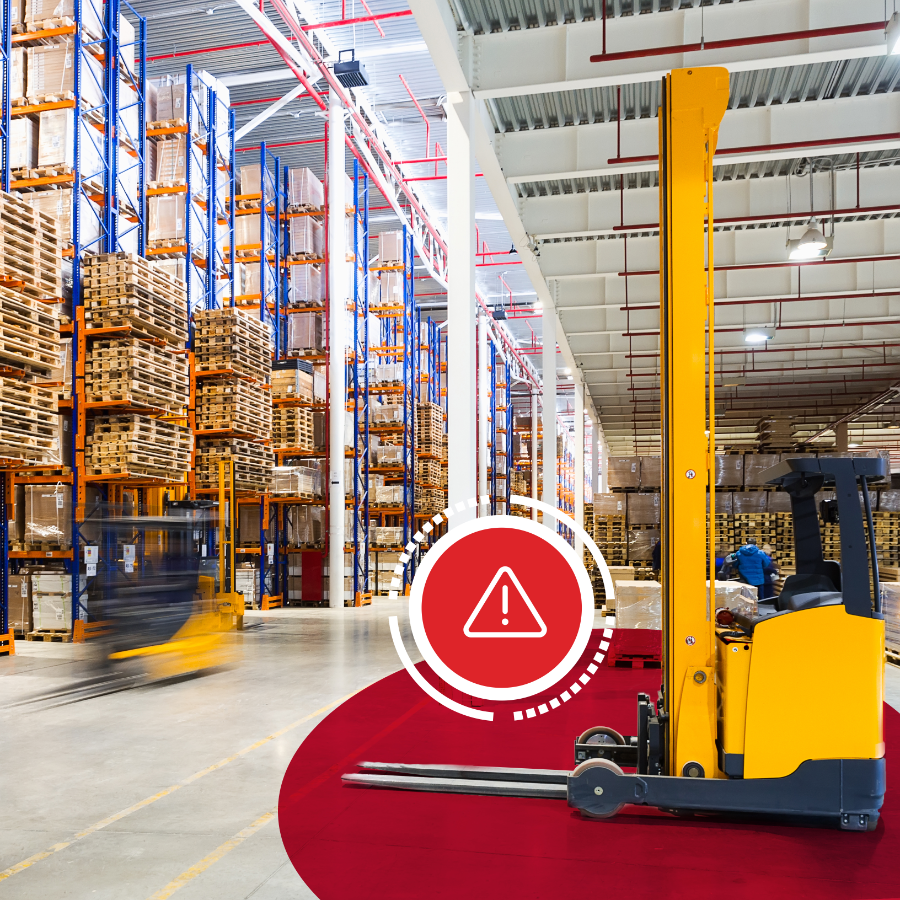
Collision avoidance
Warn early. Slow down. Stop if you must.
Operators are alerted to hazards, and trucks slow or stop before an accident occurs — around people, other vehicles and fixed infrastructure alike.
- Collision avoidance between vehicles and personnel
- An automatic governor in slow zones
- Two-way messages to and from personnel badges
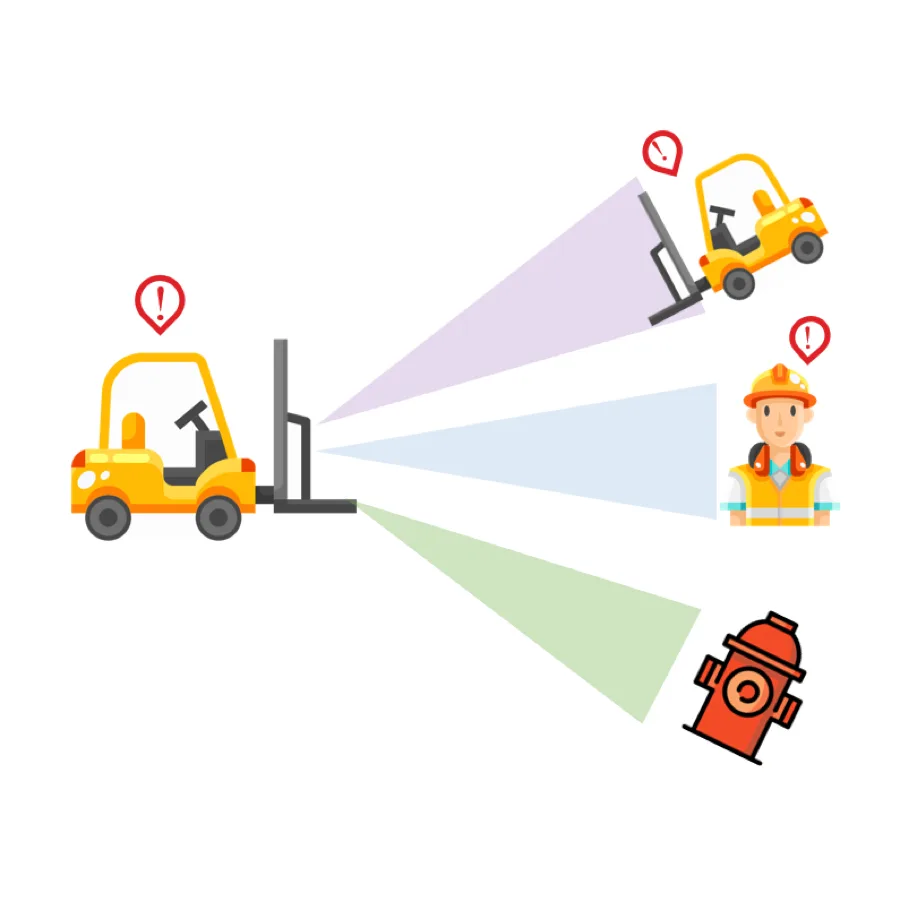
Virtual zones
Draw the rules of your floor, and change them when the floor changes.
Geo-fence zones in Redpoint’s SiteWise software. Fence people and vehicles in or out, then update the layout when a new line opens or a new regulation arrives — no rewiring.
- Help keep workers away from dangerous machinery
- Slow down or stop vehicles in high-traffic or no-go areas
- Set maximum occupancy limits for high-risk zones
- Keep vehicles from leaving their designated areas
Warnings people notice
A light, a sound and a buzz — not another screen to watch.
Warnings reach people the way people actually notice things on a loud, busy floor: visual, audible and haptic feedback on the badge, plus e-paper screens that show real-time messages and hazard details.
- A warning or alarm when someone enters a dangerous area
- Messages workers can read and acknowledge on their badge
- Pair an operator’s badge with their own truck, so drivers don’t set off false or nuisance alarms
After a near-miss
Learn from the close calls, not the accidents.
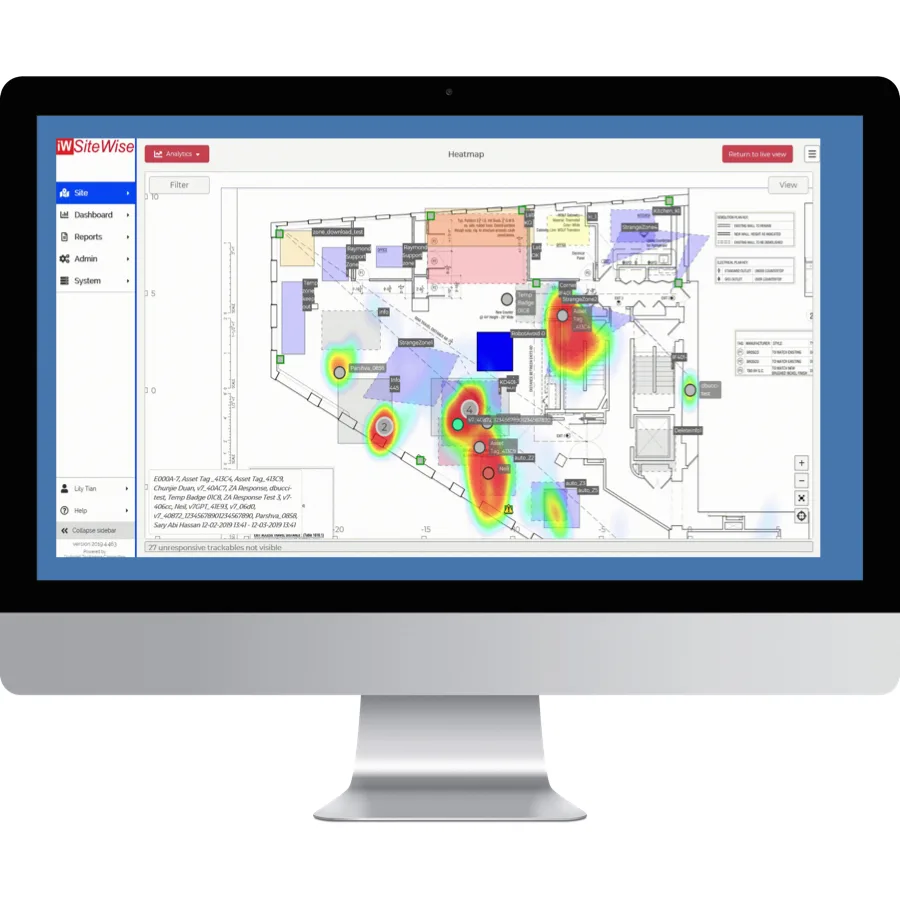
Every warning becomes something you can learn from. Heat maps, spaghetti diagrams and full playback show what happened and where, so you can adjust a zone, a route or a shift pattern before that corner becomes a statistic.
- Understand near-miss and other events
- Configure the system to better avoid future incidents
At safety-certified sites
98% of preventable forklift incidents avoided — with zero false alarms.
Customer stories
Where people and machines already share the floor safely.
Fulfillment centers
60%of the #1 e-commerce giant’s mega-facilities
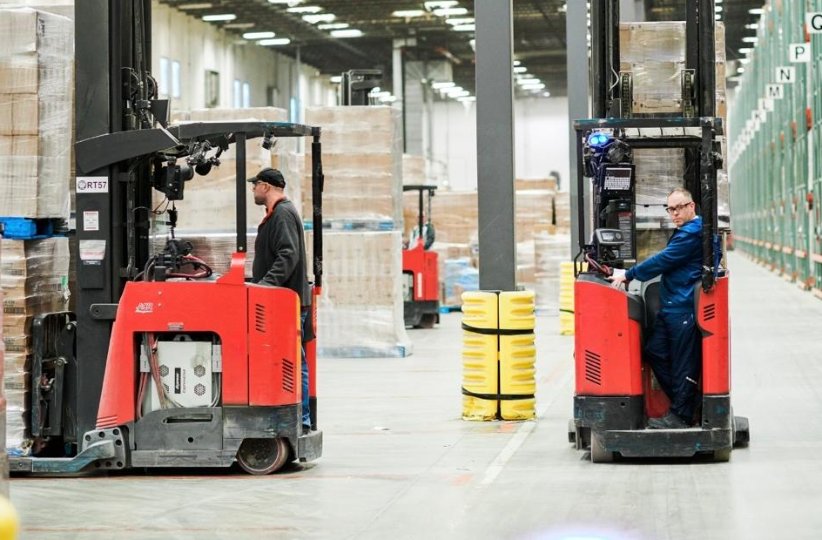
A forklift and a person, on the same aisle
Co-developed with the #1 forklift manufacturer and wired into the truck itself. 98% of preventable incidents avoided, and a closed-loop response under 100 ms.
Read the story →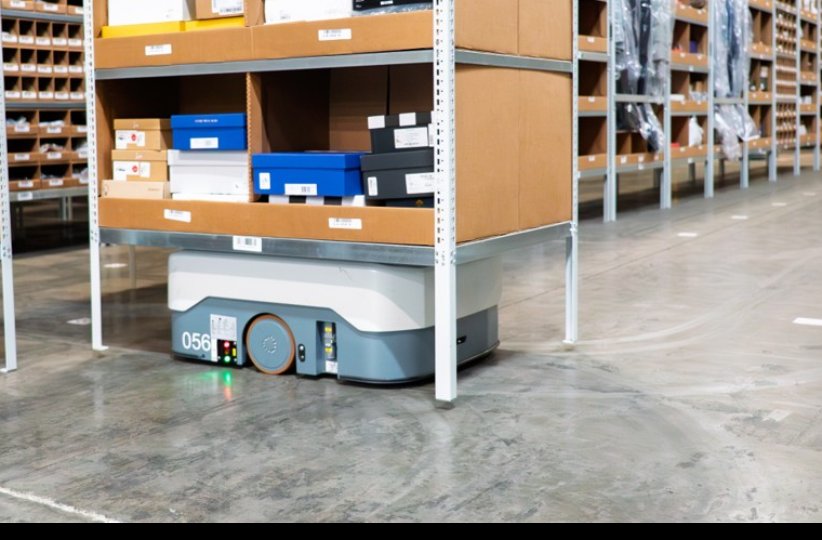
Robot fleets
99.5%system reliability, zero false alarms
One person on the floor used to stop the whole fleet
Now the robots get live crew positions, so they slow, re-route or yield around people instead of halting everything.
Read the story →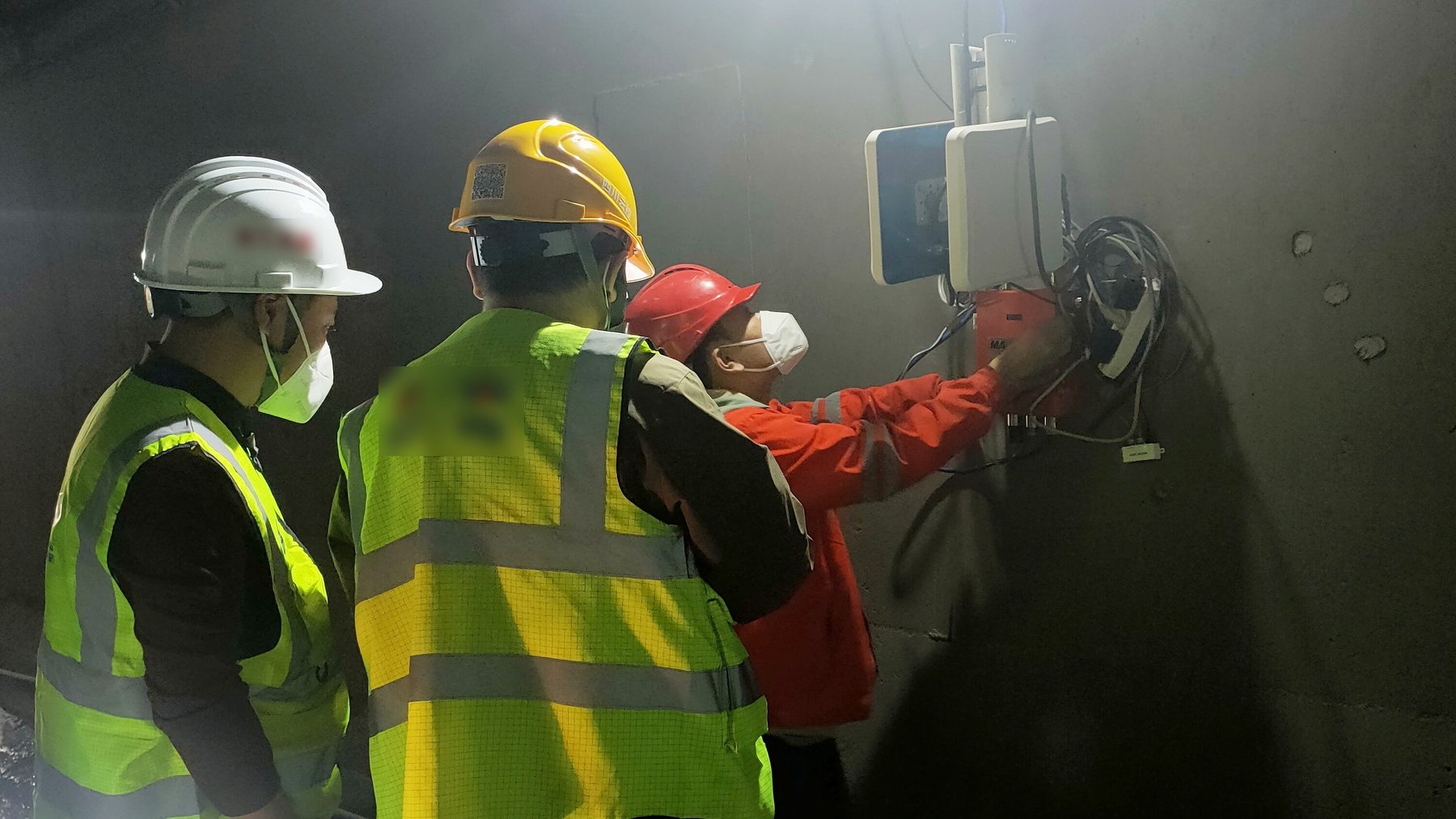
Tunnel construction
Zerosafety incidents during the pilot
Every worker, across kilometers of live tunnel
One tag per helmet, and anchors 400+ m apart at a 98% ranging success rate — with an instant headcount of who is underground.
Read the story →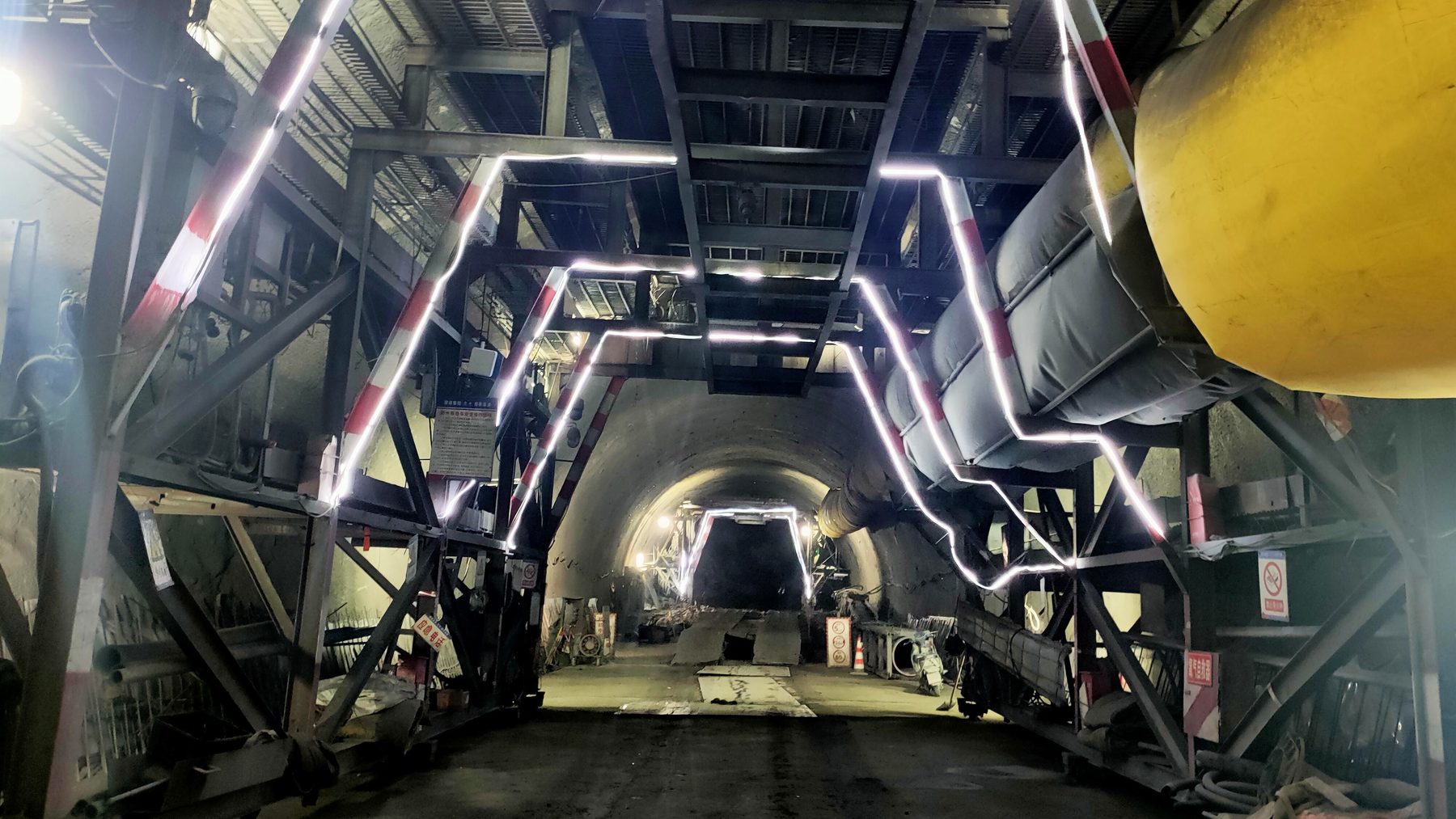
“We can now see every worker in real time across the entire tunnel. That changes everything for safety management.”
Certified like safety equipment should be
Judge it the way you’d judge any safety system.
A tracking system with alerts added on isn’t a safety system. Redpoint’s vehicle integration is certified to IEC 61508 and ISO 13849-1 for functional safety, at SIL2 / PLd — the kind of evidence your safety team will ask for.
How it works
Three simple parts, and one clever network.
Everything runs on Redpoint’s patented ultra-wideband technology. Here’s what goes where.
-
A badge for every person
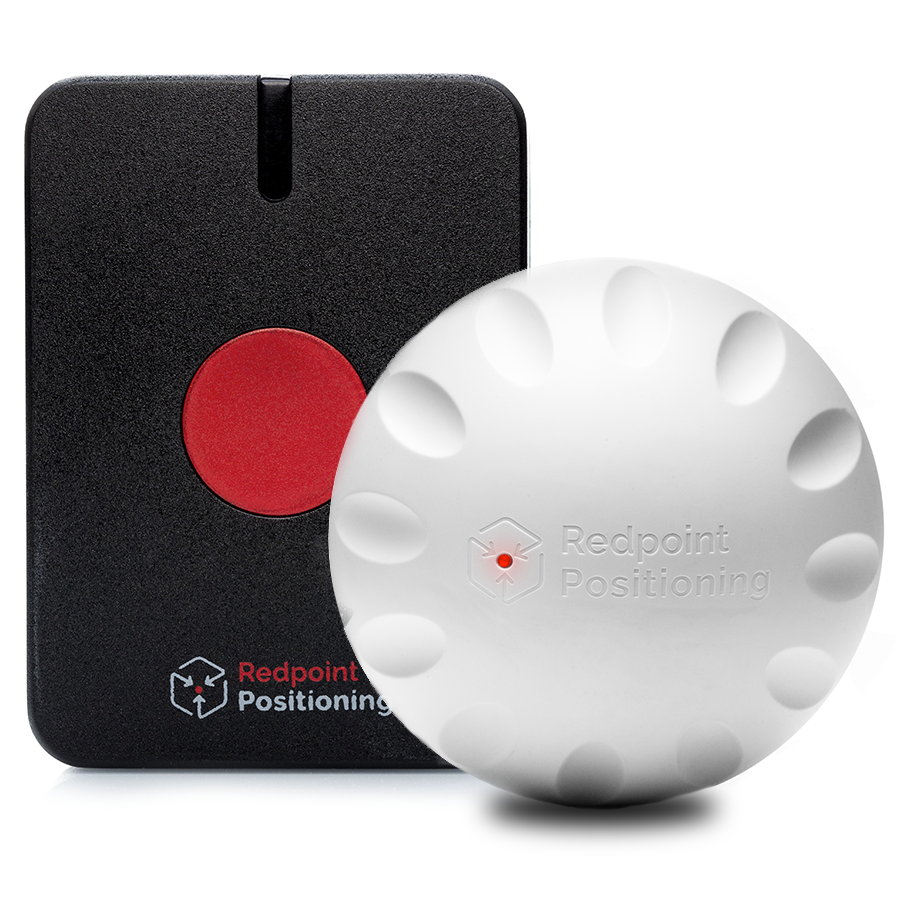
The Personnel Badge carries an RGB light, an on-board buzzer and motion sensing, so it can warn the wearer and take messages. It charges wirelessly and has a long battery life.
Personnel Badge · IP62 -
A tag on every truck
The Vehicle Mount Tag connects directly to any vehicle that supports CAN bus. It measures distances to other tags, triggers warnings by your rules, and is built for shock and constant vibration. Fit it with screws or zip ties.
Vehicle Mount Tag · CAN bus -
Anchors overhead, software on top
Ceiling anchors, each with a 50 m range and powered over Ethernet, place every tag on your floor plan. SiteWise turns those positions into zones, alerts, dashboards and playback.
50 m anchor range · SiteWise
Starting small? Tags can warn each other with no infrastructure at all — add anchors later for zones, reporting and full location. See how the system grows