OutcomesRun a tighter operation
See where the day actually goes.
A truck driving the long way round. A picker walking the same aisle twice. A pallet nobody can find. Redpoint shows you where your people, trucks and assets really are — live, and played back — so you can fix what slows your floor down.
Sound familiar?
Most of a shift’s lost time is invisible.
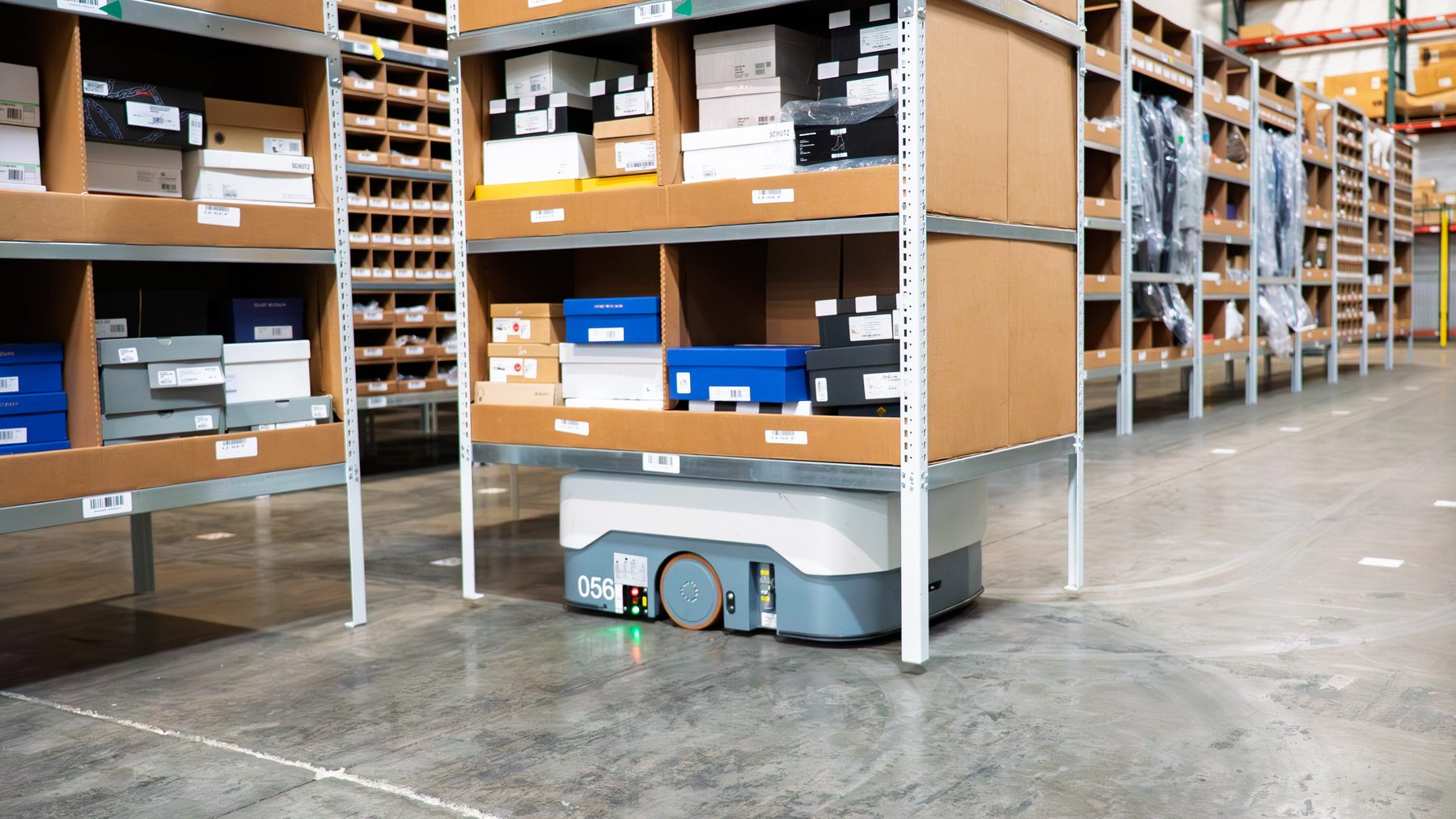
When valuable assets and equipment are always moving, you need to know where they are at all times. Without that, the small losses add up quietly, shift after shift, and nobody can point to where they went.
- The search. Time spent hunting for lost or misplaced equipment, assets and pallets.
- The long walk. Workers tired out by wasteful walking on routes nobody has measured.
- The bottleneck. Congestion at the same corner every afternoon, that only shows up as a missed target.
- The call for help. An incident on the far side of the building, and no quick way to know who’s nearby.
Redpoint’s platform connects your whole environment, with real-time and historical location data, so each of those becomes something you can see — and then fix.
A shift, played back
Watch the busy corner show itself.
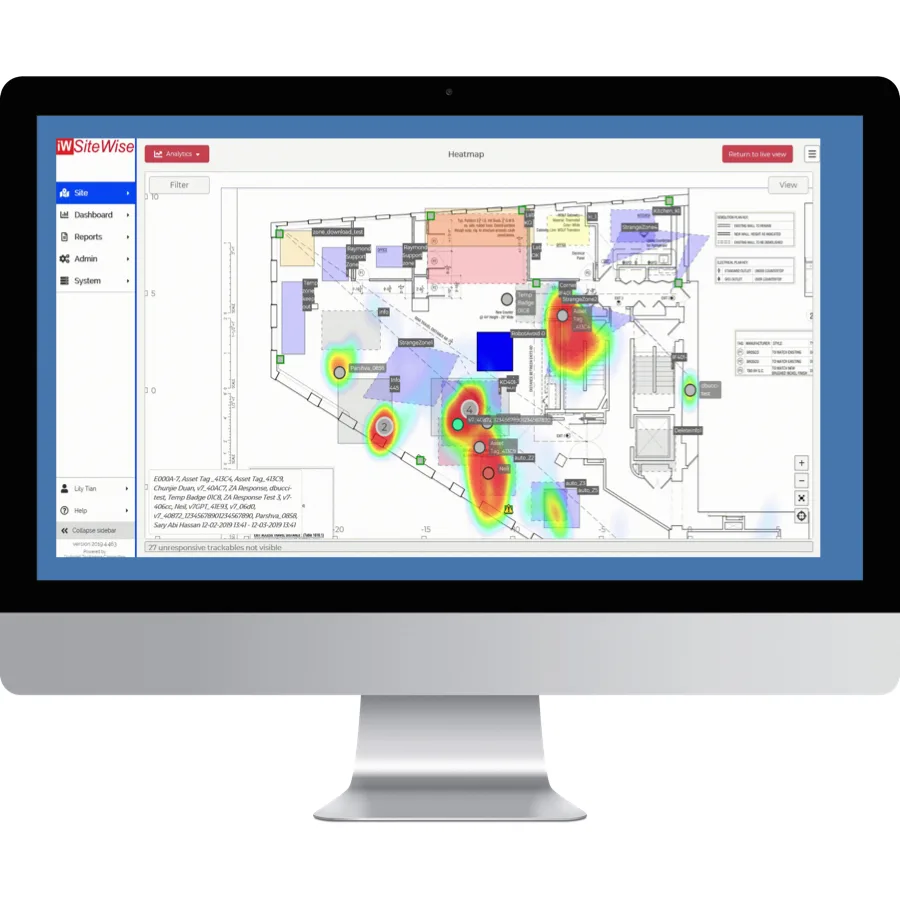
Every badge and truck tag already reports where it is. Put a shift’s worth of those positions on your floor plan and the patterns appear on their own — the long way round, the aisle walked twice, the corner where everyone bunches up.
- Trucks. Every trip from the docks, drawn as it happens.
- People. The walks between picks — including the aisle walked twice.
- The busy corner. Where paths pile up, a hot spot appears — the place to change a route or add a slow zone.
What changes with Redpoint
Five things you can do on Monday that you can’t do today.
Utilization and flow
See the paths people and trucks really take.
Heat maps and spaghetti diagrams show activity, roadblocks and interactions across the whole floor. Historical reports show the pattern over days and weeks, so you can spot the inefficient routes and bottlenecks and change them.
- Track inventory, vehicles and routes throughout your facility
- Dashboards and data reports that surface inefficiencies
Playback
Rewind the shift and watch what happened.
Full playback lets you go back to any moment and see who and what was where. It turns an argument about what happened into a review of what happened — and gives you the historical record for compliance and forensic analysis.
- Satisfy regulatory requirements with real-time visibility and historical data
- Analyze incidents and near-misses, then adjust the system
People where they’re needed
Move help to where the work is, as it happens.
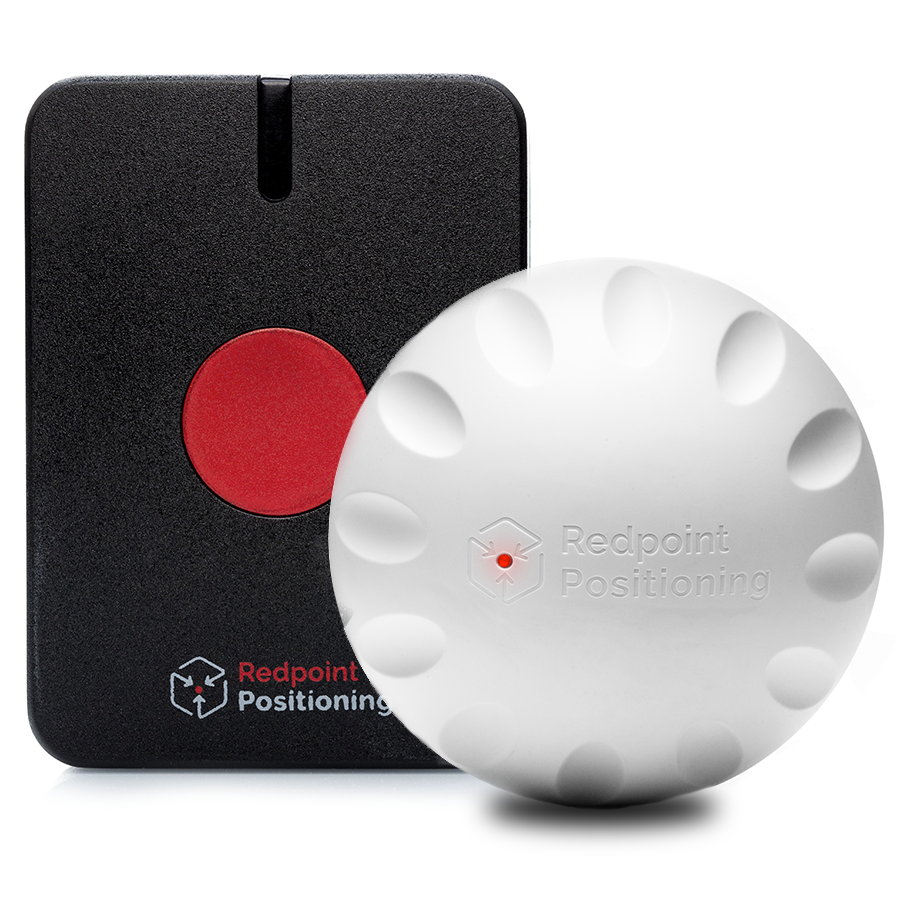
See personnel demand in real time and send instructions straight to a worker’s badge to relocate them where they’re temporarily needed. When there’s an incident, supervisors can see who is nearby and message them to help.
- Two-way communication to badges: reassign tasks, resolve incidents
- Faster response times, and order status you can share with clients
Indoor navigation
Guide people and vehicles the shortest way.
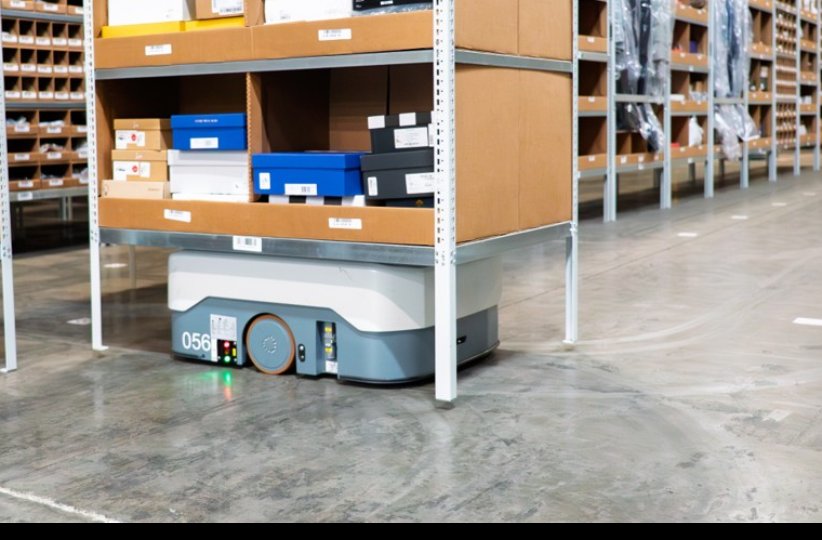
Redpoint’s smart tags know their own position and can talk both ways, so managers can guide personnel and vehicles through the facility.
- Guide people to key locations, and reassign them as needs change
- In an incident, guide people to emergency exits or to where help is needed
- Reduce fatigue with more efficient routes and less wasted walking
- Feed navigation into robots and AGVs
Asset management
Stop looking for things.
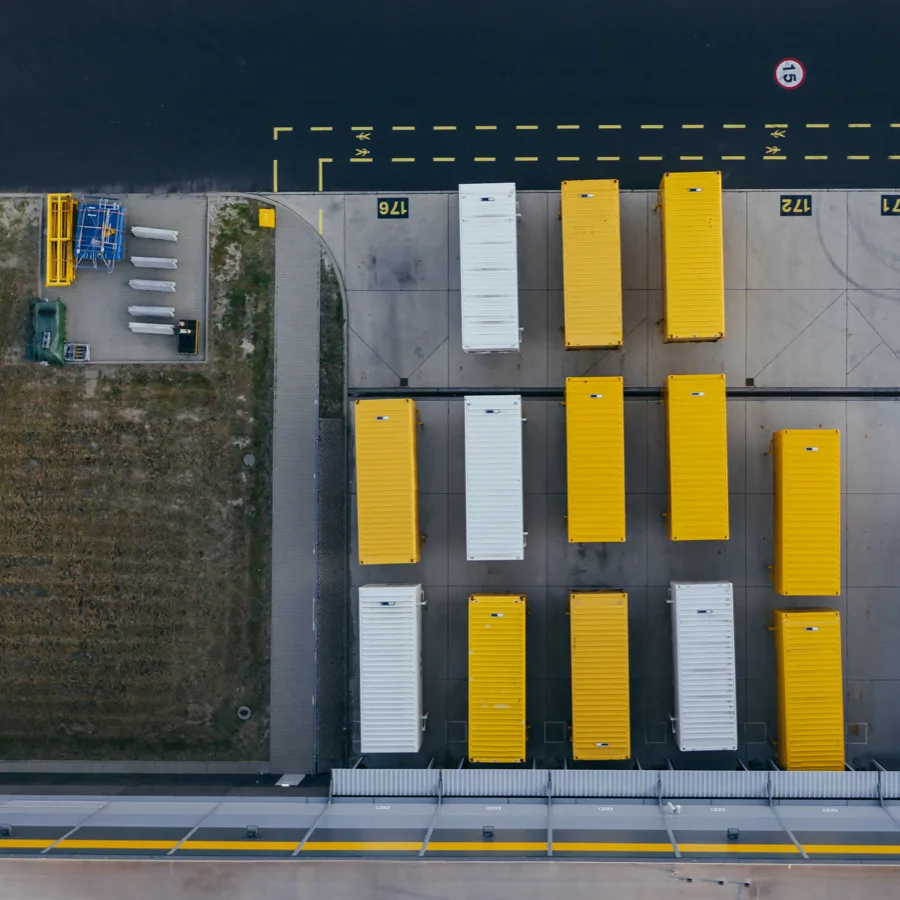
Tag the equipment, assets and pallets that matter, and find them when you need them. Track pallets and packages as they’re processed, so material handling — and your customers — always know the order status.
- Eliminate wasted time searching for lost or misplaced items
- Decrease shrinkage
- Integrate with your existing management system
What customers report
Safer floors turn out to be faster floors.
Impact numbers are provided by customers for their specific use cases. Your use case may have different results.
Customer stories
What it looks like at scale.
Fulfillment centers
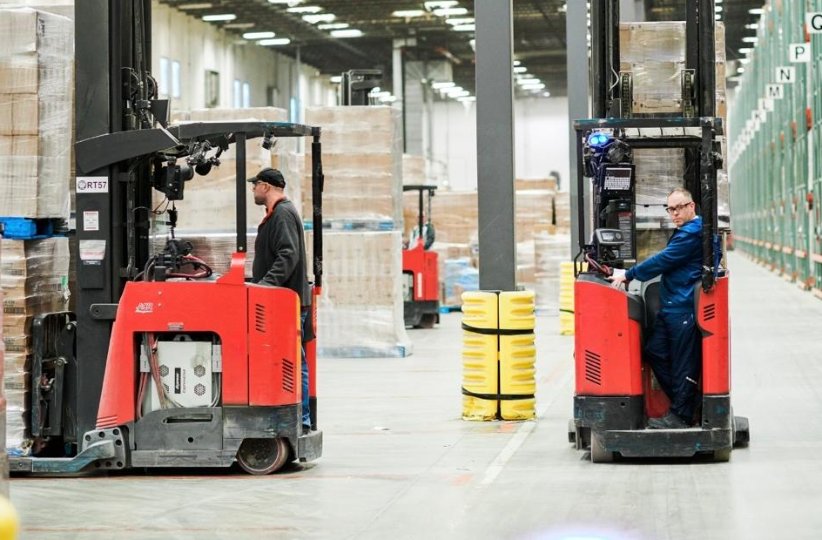
87%reduction in defects, and a 13% improvement in picking efficiency
One platform for safety, navigation, assets and fleet
Built with the #1 forklift manufacturer and now running in 60% of the #1 e-commerce giant’s mega-facilities, with a 14-month average payback across deployed sites.
Read the story →
Robot fleets
99%of the fleet keeps running, even with people on the floor
No more stopping every robot when a crew walks in
Live crew positions go straight to the fleet controller, and dispatch reallocates tasks around whoever is on the floor.
Read the story →How it works
The same positions that keep people safe, put to work.
You don’t need a second system. Every badge, truck tag and asset tag already reports where it is; the software turns that into answers.
-
Tags on what moves
Personnel badges, vehicle tags and general-purpose tags for assets — the last with batteries that last up to 3 years. Positions hold up among metal, racking and crowds of tags.
Up to 10 cm -
SitePlan maps your floor
Define coverage on your actual floor plans, and manage users, zones and trackables. Host it in the cloud or on-premises. SiteMonitor keeps watch on the network and tells IT if anything needs attention.
Cloud or on-premises -
SiteWise shows you the story
Live visualization, heat maps, spaghetti diagrams, playback, alarms, dashboards and reports — and an open API to feed your WMS, telematics or your own tools.
REST · WebSocket