
IndustriesWarehousing & material handling
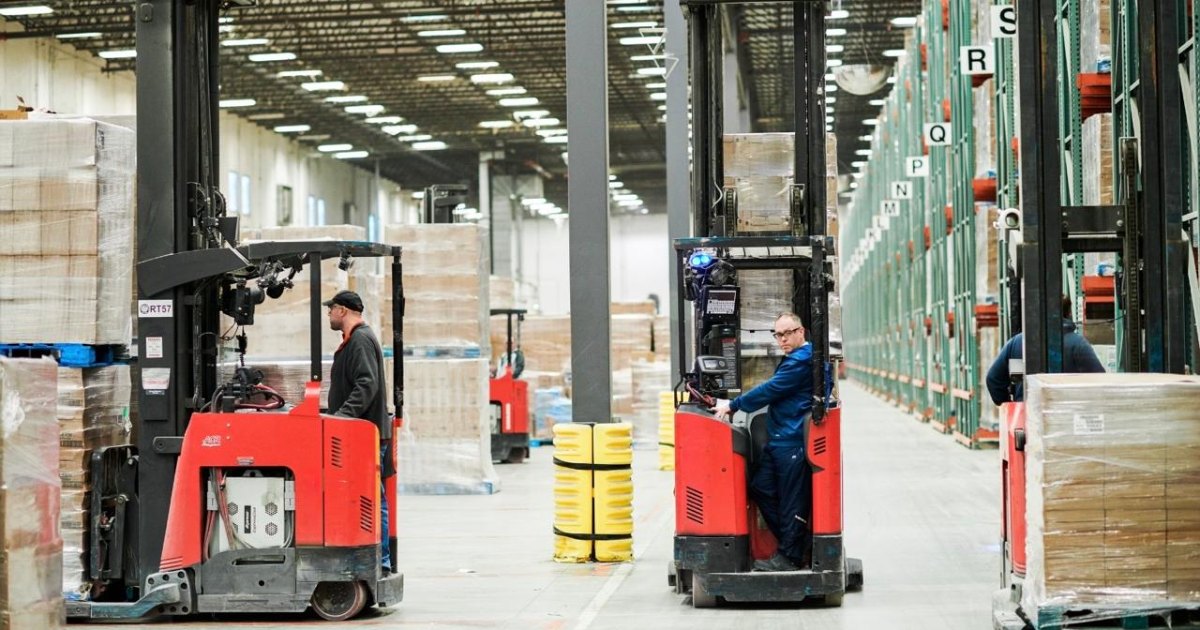
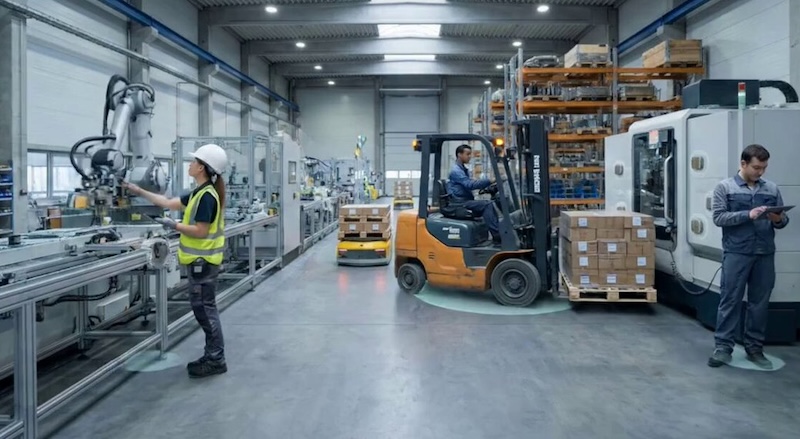
The forklift and the picker, on the same aisle.
Your people and your trucks share the floor around the clock. Redpoint knows where every one of them is — through the racking, to within 10 cm — and steps in before a near miss becomes an accident.
The moment
Around a rack corner, a sensor sees nothing at all.
A picker steps out from behind a rack. A forklift is coming the other way, loaded, and neither can see the other. On a busy floor, that moment happens again and again every shift.
Conventional proximity sensors only see line of sight. Tall ceilings, dense shelving and narrow aisles are exactly the geometry that defeats them. And the cost of getting it wrong is measured in people first, and then in downtime, investigations and lost trust.
Forklift accidents account for 85 deaths and almost 35,000 serious injuries every year in the U.S.
OSHA estimate, as cited in Redpoint’s PointSafe infographic
Meanwhile your clients want lower costs, faster response times and operators who are easy to train. Disconnected systems for warehouse and fleet management can’t tell you where anything is right now — and that’s what safety and efficiency both depend on.
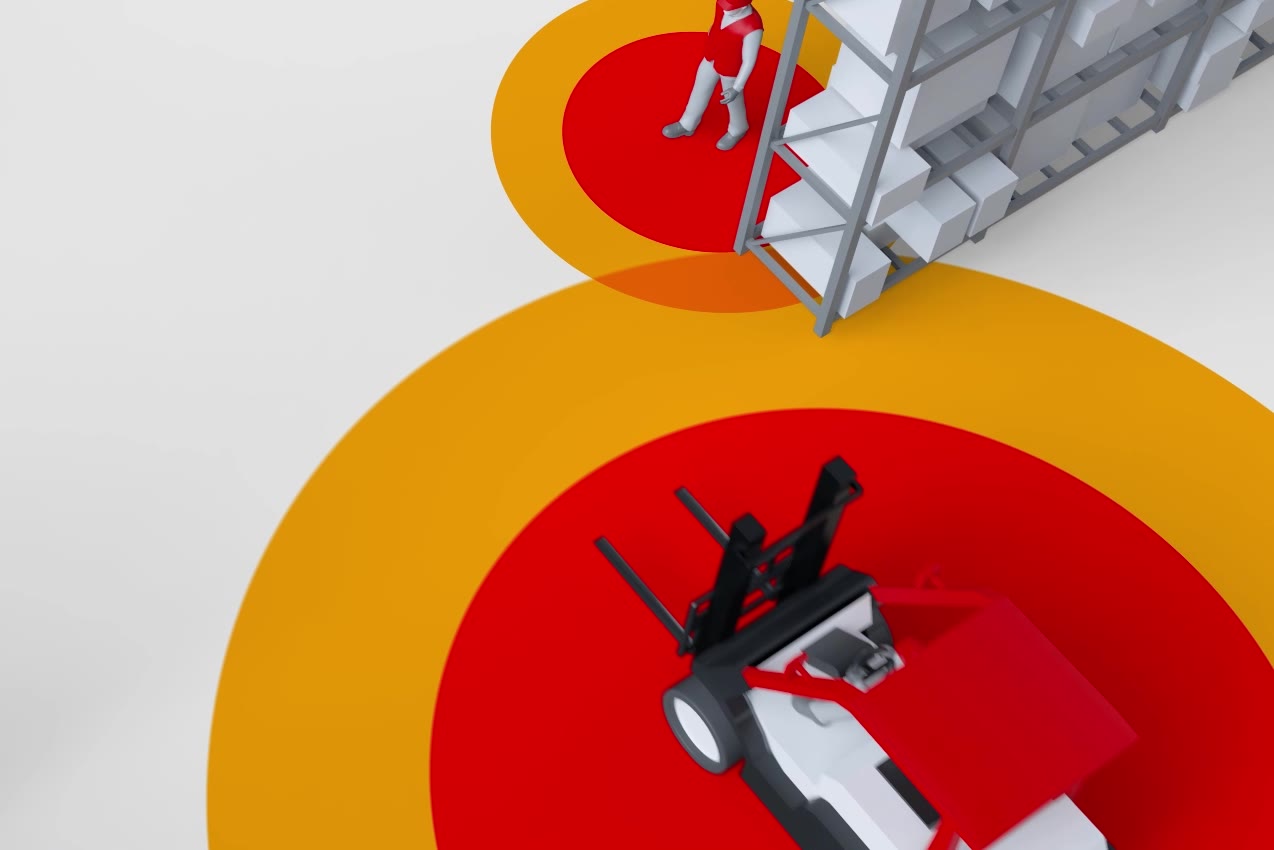
- Same corner, no line of sight. The rack hides the picker from the driver.
- Redpoint sees both — through the rack — as the picker enters the truck’s zone.
- Truck slows and stops short. The picker’s badge warns them; they keep walking.
- Path clear — the truck goes back to full speed.
What changes with Redpoint
The truck knows you’re there — before you see each other.
Redpoint partners with forklift manufacturers to connect vehicles, people and the facility on one system. Smart tags, an open platform, and a truck that can act on what it knows.
-
Both sides get the warning
Redpoint automatically notifies operators and pedestrians of the presence of equipment — even when a rack stands between them.
-
Zones that enforce themselves
When equipment or workers enter a geo-fenced zone, the system can trigger lights and alarms. In some cases, vehicles can be placed in a speed-restricted state in safe zones.
-
The truck slows itself
Because the integration is native to the vehicle’s control unit, the response is closed-loop: the truck slows or stops without waiting for an operator to react.
-
Robots keep working around people
Instead of halting a whole AGV fleet when a crew walks in, every robot gets a live picture of where people are and can slow, re-route or yield.
-
A tighter operation
Find optimal routes, spot idle time and make sure the fleet is the right size. Identify problem zones, reduce congestion and balance the workload.
-
Every incident, on record
Incident and location data is captured in real time and kept as history, so you can replay what happened and respond faster next time.
Proof
Proven at the #1 e-commerce giant.
Co-developed with one of the world’s leading material handling equipment manufacturers, and running across more than 80 large-scale fulfillment centers of the #1 e-commerce giant — around 60% of its largest US facilities.
- 98%
- of preventable forklift incidents avoided
- Zero
- false alarms at safety-certified sites
- <100 ms
- closed-loop response, detection to the truck slowing or stopping
- 99.5%
- system reliability across an AGV fleet
Success story · Forklift safety
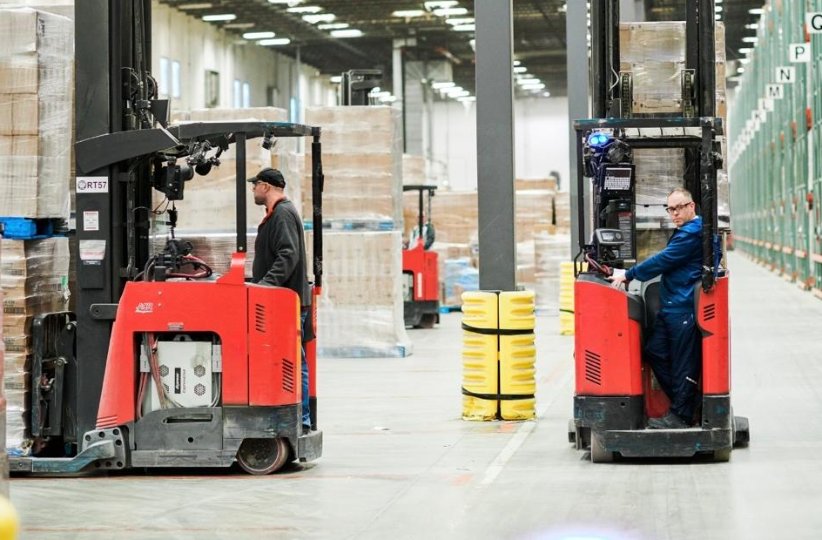
Stopping forklift collisions across 80+ fulfillment centers
- 80+facilities live
- 98%collisions prevented
Success story · AGV fleets
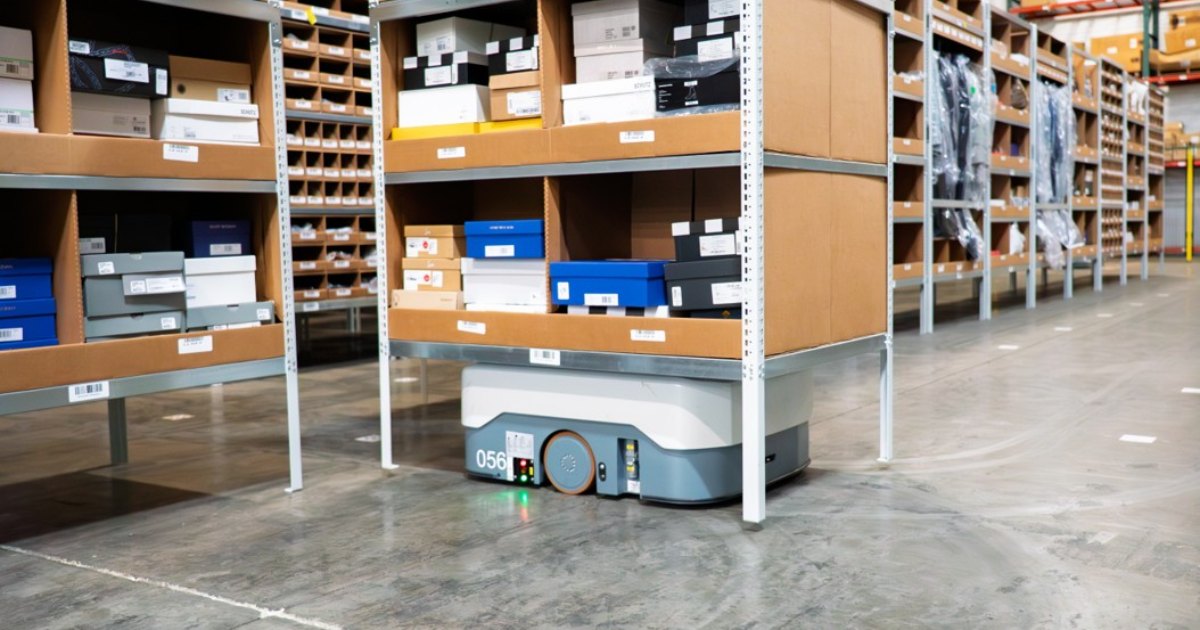
Keeping an AGV fleet moving with crews on the floor
- 99%of the fleet keeps running
- 40,000+robots
Insight · Tracking vs. safety
Why tracking systems fall short in real-time environments
Our CEO and the founder of the world’s first pure-play RTLS integrator on what separates forklift tracking from forklift safety.
Read more →What customers report
- 87%
- reduction in defects
- 13%
- improvement in picking efficiency
- 14 months
- average payback across deployed sites
Impact numbers are provided by customers for their specific use cases. Your use case may have different results.
How it works on your floor
Tags on people and trucks. Anchors overhead. A system that answers in milliseconds.
Everyone and everything that moves wears a small ultra-wideband tag. Anchors around the building work out each tag’s position many times a second, and the truck, the robot or the dashboard acts on it.
- Accuracy
- Up to 10 cm, holding up among metal, high-bay racking and many tags
- Speed
- Position data on the tag in <50 ms; closed-loop response under 100 ms from detection to the truck slowing or stopping (CAN bus)
- Functional safety
- Integration certified to IEC 61508 and ISO 13849-1 (SIL2/PLd)
- Zones
- Geo-fenced zones trigger lights and alarms; speed-restricted states for vehicles in safe zones
- Vehicles
- Connected with forklift manufacturers, management systems and telematics data
- Integration
- Open API to existing warehouse management systems and external sensor data
- Scale
- Up to 65,000 anchors, unlimited tags
Other industries